 Reviews



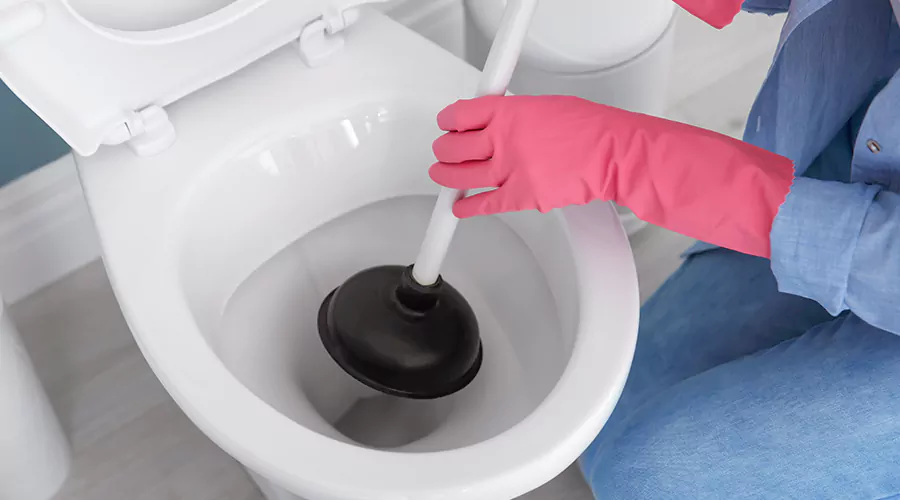
A clogged toilet that remains restricted after correct plunging can cost $85 to $600 to repair in 2026, so diagnosing the type of blockage before using stronger tools matters. The main question is whether the obstruction sits inside the toilet or farther into the drainage system.
A good clogged toilet fix does more than make the bowl empty once. The toilet should complete several normal drain cycles without rising or slowing again. Drain unblocking can help address blockages when the restriction extends beyond the toilet itself.
Start by observing exactly what happens after water enters the bowl. That pattern tells you more than repeatedly reaching for another product.
What Type of Toilet Clog Do You Have?
A toilet that rises and slowly falls usually has a partial restriction. A bowl that does not drain at all suggests a tighter obstruction. When nearby fixtures also react, the problem may be in a shared drain instead of the toilet's internal trap.
- A common paper clog often responds to plunging.
- A foreign object behaves differently because it does not soften in water.
- Weak flushing can also look like a clog. The bowl may swirl without developing enough siphon action to clear the contents.
- A deeper drain restriction becomes more likely when the toilet behaves normally for a moment and then backs up again.
The first diagnostic goal is to separate these conditions before choosing the next step.
How Does a Clogged Toilet Progress?
A blockage often starts before the toilet stops completely. Waste may pass through a reduced opening for several flushes before enough material collects to close the remaining space. Recognizing that progression helps prevent an overflow and limits the amount of water entering a restricted drain.
| Stage | Toilet Behavior | Likely Condition | 2026 Repair Exposure |
|---|---|---|---|
| Early | Slightly slow flush | Developing restriction | Often DIY |
| Partial | Bowl rises then drops | Trap partly restricted | $85 to $600 |
| Severe | Bowl remains full | Tight obstruction | $85 to $600 |
| System-wide | Other drains react | Shared drain problem | Can exceed toilet-only repair |
Current 2026 data places clogged toilet repairs inside a broad $85 to $600 range. Deeper drain work can cost more because access and equipment change. The key point is that a temporarily empty bowl is not always a repaired bowl. Slow drainage can leave part of the obstruction behind.
What Signs Tell You Where the Clog Is?
The water pattern provides useful clues before any toilet repair begins. An isolated problem normally points toward the fixture. A group of slow fixtures shifts attention farther downstream. Watch a complete drainage cycle before deciding which method makes sense.
- Water rises immediately after flushing. The outlet cannot pass the incoming volume.
- The bowl drains after several minutes. A narrow path remains through the obstruction.
- The bowl does not move at all. The restriction may be nearly complete.
- A clogged toilet bowl clears and blocks again. Material may still occupy part of the trap.
- The flush sounds weak. Water delivery from the tank may be too slow.
- Paper remains after the flush. The toilet may not be creating a full siphon.
- A nearby drain gurgles. Air movement inside connected piping is changing.
- A tub receives wastewater. The obstruction may sit in a shared drain.
- An object recently disappeared into the bowl. Retrieval may be needed rather than more pressure.
- The toilet works better with extra water. The flush mechanism may deserve inspection.
These signs narrow the search without taking the toilet apart.
How Can You Test the Toilet Safely?
A controlled water test can help separate a weak flush from a drainage restriction. Do this only when the bowl is not already full. Adding water to a high bowl can cause an overflow, so wait until the existing level has fallen first.
- Use a bucket with a manageable amount of water.
- Pour the water firmly into the center of the bowl.
- Watch what happens rather than using the flush handle.
A fast evacuation suggests that the toilet drain can move water. The normal flush system may not be releasing enough water into the bowl. A rising bowl points toward a restriction. This type of test bypasses the tank mechanism. It can reveal whether the problem is water delivery or drainage. Stop the test if the bowl approaches the rim.
How Do You Fix a Soft Toilet Clog?
Soft clogs made from waste or paper should be approached mechanically before harsher methods are considered. A flange plunger creates useful pressure changes inside the trap. Maintaining the seal through several strokes is more effective than striking the water with random force.
- Position a flange plunger over the outlet.
- Let the cup fill with water.
- Start with gentle pressure.
- Then use controlled push and pull movements.
A stronger final pull can break compacted material into smaller pieces. This Old House notes that pulling can help avoid compressing the obstruction into the narrowing trapway.
Give the bowl time to settle. Test with a limited amount of water before a full flush. A successful fix should restore fast drainage rather than simply lower the water once.
What If Plunging Does Not Fix the Clog?
A toilet auger is the next mechanical step when proper plunging fails. Its cable can travel through the fixture's curved internal passage while its sleeve limits contact with the porcelain. It is better suited to toilet work than an exposed general-purpose snake.
- Feed the cable carefully until resistance appears.
- Rotate the handle while maintaining light pressure.
- Do not force the cable through a hard stop.
- Retract the cable after working the obstruction.
- Inspect the tip for material.
- Repeat only if the first pass changed the drainage behavior.
If the toilet pipe remains restricted after the auger reaches its normal working length, the obstruction may be outside the fixture. Avoid driving suspected objects deeper. A toy or rigid bathroom item is better removed than pushed into a branch drain.
What If the Toilet Is Not Actually Clogged?
Some toilet problems imitate a drain blockage. Low tank water or restricted rim jets can leave paper behind even when the waste path is open. A flapper that closes too early can also shorten the flush before enough water enters the bowl.
- Remove the tank lid.
- Check whether the water reaches the manufacturer's marked fill level.
- Watch the flapper during one flush.
- It should lift enough to release the designed amount of tank water.
- Look under the bowl rim for mineral buildup if the water enters unevenly.
This is where broader toilet problems need to be separated from an actual clog. A water sense-labeled toilet uses no more than 1.28 gallons per flush and must also meet performance requirements. Low water consumption alone should not be treated as proof of poor flushing.
When Should You Call a Professional?
Professional help becomes appropriate when the toilet stays blocked after proper plunging and a toilet auger cannot remove the restriction. It is also appropriate when several fixtures respond together because the problem may be farther into the building drain or sewer lateral.
In 2026, toilet repairs average about $271 nationally. Clogged toilet repairs fall around $85 to $600. Main sewer clog repair averages roughly $380 according to current cost data.
Professional inspection is warranted when:
- Wastewater appears in another fixture.
- An auger cannot pass the obstruction.
- A solid object is trapped beyond reach.
- The toilet blocks again within a short period.
- More than one toilet is affected.
- Sewage odors accompany poor drainage.
A deeper inspection can locate material beyond the toilet trap. More advanced drain equipment can then address the actual blockage instead of repeatedly treating the bowl.
How Can You Keep the Toilet From Clogging Again?
Prevention starts with controlling what enters the drain. Toilet paper is made to break apart in sewer systems. Wipes and stronger paper products can remain intact much longer. Municipal wastewater guidance recommends flushing only human waste and toilet paper.
- Keep wipes in a bathroom wastebasket.
- Use smaller amounts of toilet paper when practical.
- Do not use the toilet to dispose of household trash.
- Watch for a gradually weaker flush.
- Clean mineral deposits from rim openings when they begin restricting flow.
Check the tank after any internal repair. Incorrect water level or flapper adjustment can weaken the next flush. The best prevention costs very little compared with even the low end of a 2026 repair.
Conclusion
A lasting clogged toilet fix comes from identifying whether the restriction is soft waste, a trapped object or a deeper drain problem. Start with controlled plunging. Move to a toilet auger only when needed. Check flush performance if the drain appears open. If several fixtures become involved, deeper diagnosis is reasonable. This week, keep non-flushable products beside the toilet in a wastebasket instead of sending them down the drain.
Frequently Asked Questions
The questions below address useful details that fall outside the main diagnostic process. Each answer focuses on a specific decision you may face while checking a clogged toilet.
Can a toilet be partially clogged?
Yes. Water can pass through a small remaining opening while paper or waste continues collecting around the obstruction.
Why does the toilet clog only with solid waste?
The opening may be wide enough for water but too restricted for the normal waste load. A weak flush can create the same pattern.
Can a new toilet clog?
Yes. Incorrect disposal or a downstream restriction can affect a new fixture just as easily as an older one.
Does a toilet need to be removed to clear every deep clog?
No. Many obstructions can be reached through the bowl. Removal becomes relevant when the object or restriction cannot be reached safely.
Can low tank water look like a clog?
Yes. Too little flush water can leave waste behind even when the drain itself remains open.